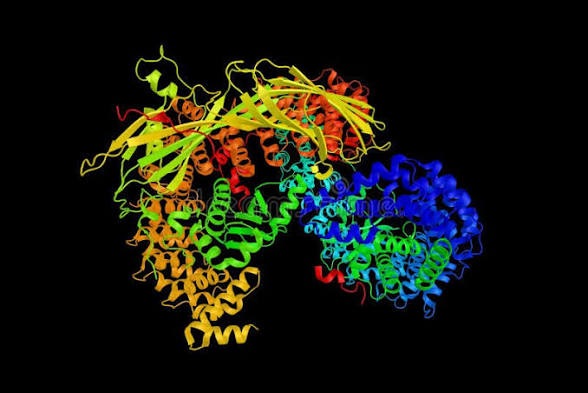
When Osaka University scientists discovered the new AP2A1 cells and their role in aging, they weren’t expecting a second role they play. AP2A1 reversed several markers of aging in a dish, according to a June 8 2026 report by the NutriGenomics Institute. Cellular Signalling suggests AP2A1 may become a new therapeutic target for age-related diseases. It may also improve cellular health during aging.
The AP2A1 gene encodes a subunit of the AP-2 complex, which is how neurons and cells intake materials. Neurodevelopmental conditions are known to be caused by mutations of this gene.
An updated July 2026 Panacea Cell & Biology report says researchers at Osaka University found a second, unexpected function AP2A1 plays in the aging of cells. They found that higher AP2A1 ages younger cells, while lowering AP2A1 may reverse several markers of aging.
Osaka University’s Pirawan Chantachotikul, Shinji Deguchi and colleagues studied why old cells look so different from young ones; when cells enter replicate in senescence, it stops dividing and balloons in size, as opposed to smaller, younger cells.
Researchers believe this understanding points toward the possibility of manipulating and reducing AP2A1’s role in aging.