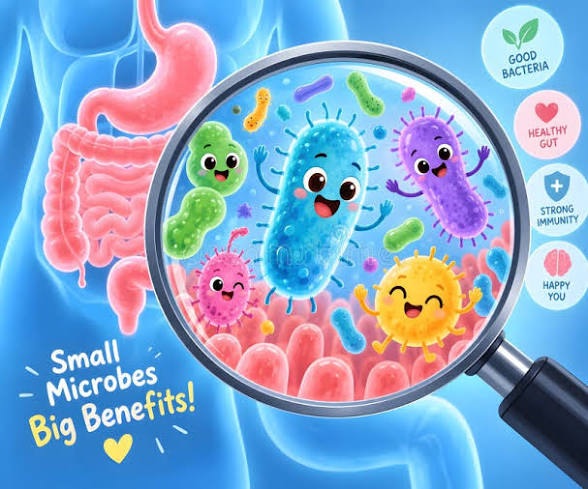
Mayo Clinic researchers have discovered that chemical signals produced by gut bacteria work together to control intestinal movement. One bacterial signal helps set the intestines in motion, while another primes gut cells to respond more strongly, amplifying the effect (Mayo Clinic News, August 31 2026).
Additionally, University of Vienna researchers found that many gut bacterial species are more complex than they appear. Using a ‘reverse ecology,’ the team showed that individual bacterial species can contain several evolutionarily distinct populations, each adapted to different conditions inside the gut.
Mayo Clinic researchers found that a gut bacteria produces a signaling chemical that sets the intestines in motion.
Said Mayo Clinic gastroenterologist Purna Kashyap, M.B.B.S., director of the Mayo Clinic Microbiomics Program and author of the study said that “deciphering how those signals work in combination gives us a much more precise picture of what is disrupted in disease.”
Researchers believe restoring microbial signals rather than targeting a single microbe or molecule could have implications treating irritable bowel syndrome (IBS).
https://newsnetwork.mayoclinic.org/discussion/scientists-uncover-microbiome-signaling-system-that-could-open-new-paths-for-ibs-related-constipation/
Herbsprout is a blog and podcast about the health benefits of our gut microbiome, natural remedies, and healthcare innovations. . . . . . . . . . . . . . . . . . . . . . . . . . . . . . . . . . . . . . . . . . . . . . . . . . . . . . . . . . . . . . . . . . . . . . . . . . . . . . . . . . . . . . . . . . . . . . . . . . . . . . . . . . . . . . . . . . . . . . . .
The contents of this webblog is not intended to be used to treat, cure, mitigate, or diagnose any medical condition. The readers must consult your doctor before you make any changes that could affect your health. . . . . . . . . . . . . . . . . . . . . . . . . . . . . . . . . . . . . . . . . . . . . . . . . . . . . . . . . . . . . . . . . . . . . . . . . . . . . . . . . . . . . . . . . . . .
ADVISORY BOARD:
. . . . . . . . . . . . . . . . . . . . . . . . . . . . . . . . . . . . . . . . . . . .
●Jenny Pandol, Co-owner/founder/ COO, Microbiome Learning Center;
. . . . . . . . . . . . . . . . . . . . . . . . . . . . . . . . . . . . . . . . . . . .
●Dr. Sabine Hazan, Founder and CEO, Progenabiome and Ventura Clinical Trials;
. . . . . . . . . . . . . . . . . . . . . . . . . . . . . . . . . . . . . . . . . .
●Naveen Jain, Founder & CEO, Viome
. . . . . . . . . . . . . . . . . . . . . . .
●Hans Parge, ex-Pfizer director;
. . . . . . . . . . . . . . . . . . . . . . . . . . . .
●Chris Kenji Beer, health research/writer
. . . . . . . . . . . . . . . . . .
●Ely Diana, translation/support