
Wellness Shop: https://herbsprout.myshopify.com/
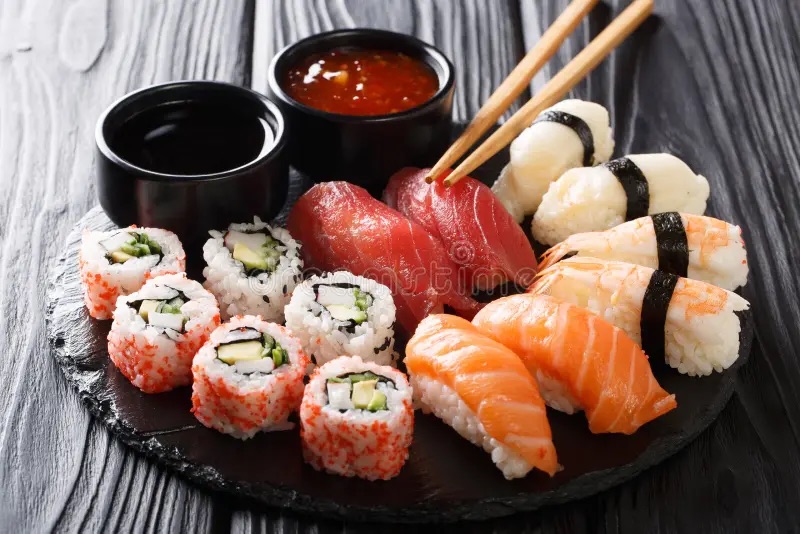
It is not only the portion size that encourages healthy eating, the argument is that sushi is among the most nutritious foods available. Sushi is often wrapped in seaweed, which provides iodine, fiber, plant protein, vitamins C and A, B vitamins and potassium. Fatty fish, such as salmon and mackerel, provide essential vitamin D and B12, omega-3 fatty acids EPA (eicosapentaenoic acid) and DHA (docosahexaenoic acid), which are essential for heart and brain health, according to a February 11 2026 Eating Well report (1).
However, the ingredients associated with sushi such as soy sauce contain high concentrations of sodium. So for individuals with heart conditions, Celiac disease or gluten sensitivity, one must be careful not to “over – use“ soy sauce. Reduced sodium soy sauce or Tamari sauce is recommended (1).
Fermented probiotics are contained in foods often consumed with sushi, such as ginger and miso soup.
A recent Zenwise report (Jan. 07 2026) found a study showing ocean consuming communities (like the Japanese) have acquired special genes for digesting specific marine polysaccharides in seaweed that transfer from ocean-dwelling bacteria to human gut microbes (2) (3).
In addition to the aforementioned sodium in soy sauce, there is a potential for food borne illnesses caused by poorly maintained seafood, as well as the use of farmed seafood in the sushi which might expose the consumer to unsafe levels of mercury (3). So it is important to be aware of restaurant policies around their sourcing.
1) https://www.eatingwell.com/article/7906149/is-sushi-healthy-heres-what-a-dietitian-says/
2) https://www.science.org/content/article/japanese-guts-are-made-sushi

 HerbSprout.com