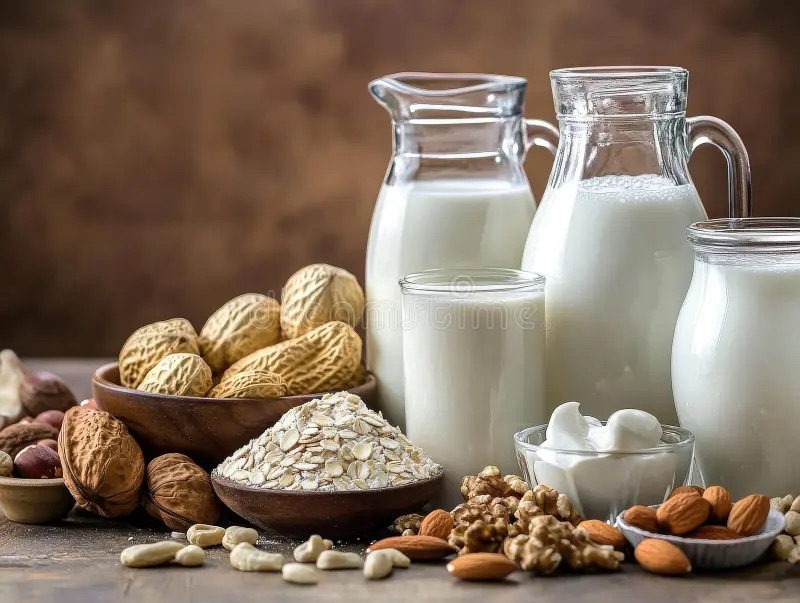
Cow’s milk contains important nutrients including protein, vitamins, and calcium, and considered essential for bone health, according to the April 8 2025 Very Well Health report.
Recent findings show that milk consumption is connected with an uptick in several helpful bacteria which help lower inflammation and improved gut barriers, according to a study led by Dr. Li Jiao from Baylor College of Medicine (1).
If you have IBS and/or lactose intolerance, lactose-free milk can prevent stomach cramping or excessive gas, and is considered a low-FODMAP choice. FODMAP stands for “Fermentable Oligo-, Di-, Mono-saccharides, And Polyols”, mostly sugars, short-chain carbohydrates, the body has difficulty absorbing. This low-FODMAP diet devised by researchers at Monash University, is the first food-based treatment shown to reduce IBS symptoms of gas, bloating, diarrhea and constipation in up to 86% of those who try it.
Dairy milk has been associated with acne and eczema, a higher risk of prostate, breast, and ovarian cancers, according to some experts (2).
There are a number of dairy milk alternatives each with their unique nutrients.
For example, soy milk made from soy protein extract is low in FODMAPs, but soy milk made from soybeans is not as it contains the carbohydrate galacto-oligosaccharide (GOS) (2).
Soy (made from real soybean), almond milk, hemp milk, coconut milk, rice milk may be a healthy milk alternative for people with IBS, lactose intolerance, or a milk allergy or intolerance.
1) https://herb-sprout.com/2025/06/04/milk-helps-increase-good-gut-bacteria-cheese-the-opposite/
2) https://www.verywellhealth.com/the-best-milks-for-your-belly-1944752
3) video summary: https://ai.invideo.io/watch/9CgorRqeHLG
4) https://www.hopkinsmedicine.org/health/wellness-and-prevention/fodmap-diet-what-you-need-to-know

 HerbSprout.com