
January 22, 2024
The following is from guest author Dr. Nicole Apelian. She was among the first women selected for the History Channel’s hit TV show “Alone”. She has B.S and M.S. degrees in Biology from McGill University in Canada and the University of Oregon. She earned her Doctorate through Prescott College.
Disclosure: This post may contain affiliate links that I may earn a small commission from, at no additional cost to you. I only recommend products I use or have used myself. All opinions expressed here are my own.
Surprising New Insights Into Bone Health
Over the past decade or so, research examining the role of the gut microbiome has been an exciting area of study that has established the importance of a healthy microbiota for avoiding chronic disease — including autoimmunity, diabetes, cancer, and cardiovascular disease. It is also closely tied to immune response, obesity risk, and even neurological disorders such as autism, depression, and anxiety. This is why I have stressed the importance of tending to the gut for years — it is literally the foundation of health. And now researchers have found another compelling reason for making gut health a priority: bone density and strength.
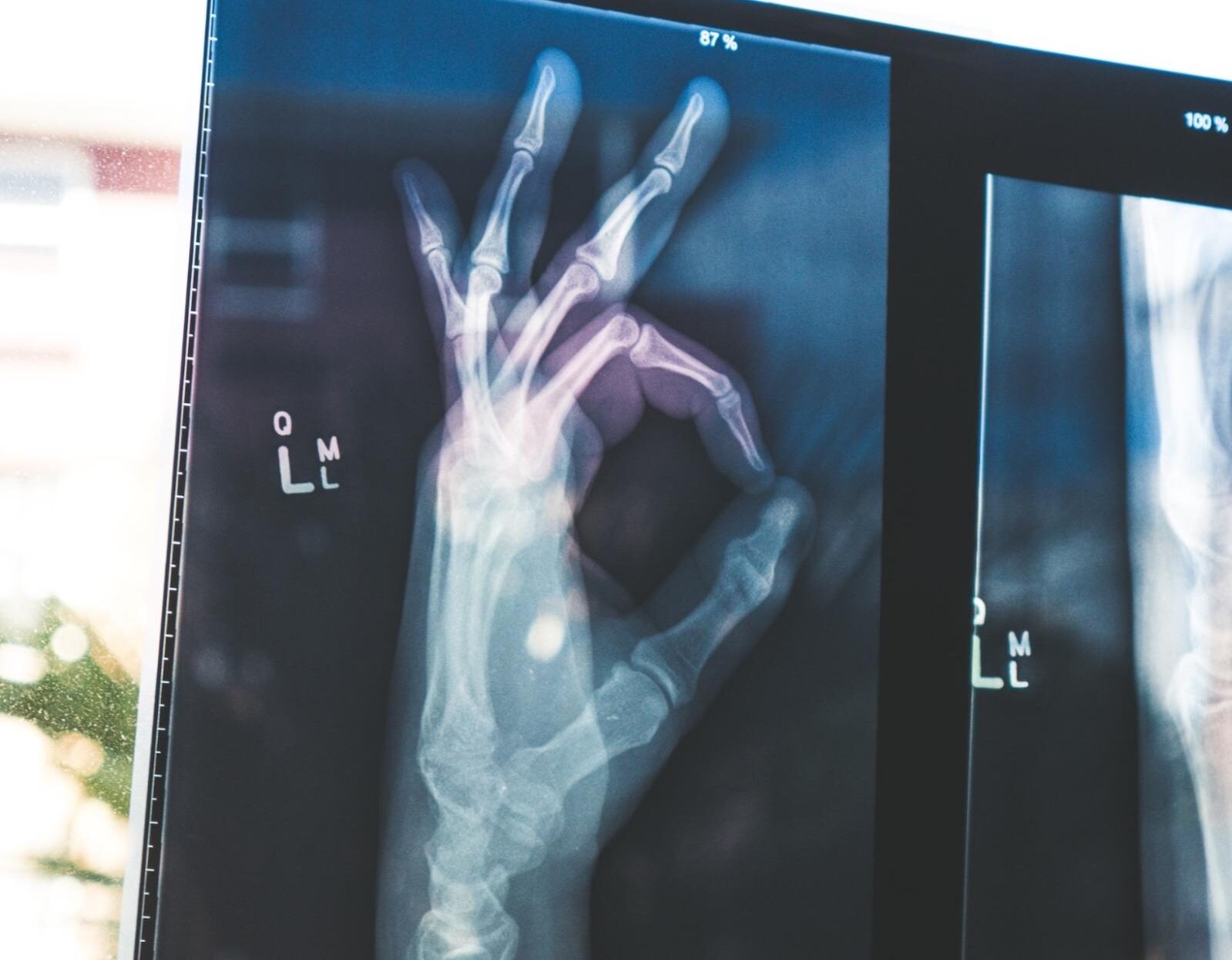
Healthy Microbiome and Gut, Strong Bones
A fascinating study published in the autumn of 2023 may have discovered a novel method for strengthening the bones — namely, probiotics and prebiotics.
Using high-resolution imaging from the Framingham Third Generation Study and the Osteoporotic Fractures in Men (MrOS) study, the team first identified two problematic gut bacteria that are detrimental to bone health — Akkermansia and Clostridiales DTU089.6,7
Lead researcher Douglas P. Keil, professor of medicine at the Marcus Institute for Aging Research at Harvard Medical School and Beth Israel Deaconess Medical Center, notes in Medical News Today:
“We do not precisely know why these bacteria would be connected to skeletal health, but we do know that Akkermansiaabundance in the intestine is linked to obesity and that obesity may be related to compromises in skeletal integrity.”
He adds, “The same reasoning applies to the Clostridialesbacterium called DTU089 that is associated with lower physical activity. We know that low physical activity is related to bones that are less dense and strong. Also, the bacteria in the intestine can produce other factors that may adversely affect the bone, namely factors that increase general low-level inflammation, which can have deleterious effects on bone cells.”4
Interestingly, previous studies established that people with lower protein intake and physical activity had higher amounts of DTUO89 in the gut. 5,6
In light of these findings, the researchers believe that supporting a healthy gut microbiome via probiotics and prebiotics may establish and preserve bone health — and avoid the risk of osteoporosis later in life.
Several additional studies found that the fermentation of plant fibers in the gut produced short-chain fatty acids that increased calcium absorption and bone density/strength in both adolescents and animal models.2 Likewise, research in Frontiers in Endocrinology highlights the importance of a balanced microbiome for bone health:
“The GM [gut microbiome] is also a source for vitamin K2, which is required for the function of osteocalcin and can influence bone formation by stimulating OBs. Moreover, studies have shown that decreased levels of vitamin K2 due to antibiotic-induced microbiome depletion is associated with a reduction in osteocalcin and bone strength in mice. […]
Pre-clinical mouse studies have found that administering probiotics such as VSL#3 and bacterial strain Lactobacillus rhamnosus GG can be beneficial for bone health via restoring GM and intestinal permeability. In estrogen deficient mice, in which estrogen dampens cytokines involved in stimulating osteoclastogenesis and bone loss, it was found that the administration of Lactobacillus reuteri protected against bone loss.
Moreover, other studies have demonstrated that in mice with glucocorticoid-induced microbial dysbiosis or post-antibiotic-induced gut dysbiosis, supplementation of Lactobacillus reuteri could dampen trabecular bone loss by reducing gut dysbiosis and intestinal barrier dysfunction.”1
With the importance of gut health firmly established as a key component of building and maintaining strong bones, it most likely won’t come as a surprise that we will now turn our attention to practical ways we can support it
Full shareable article is here:
https://nicoleapelian.com/blog/the-bone-gut-axis-a-revolutionary-approach-to-predicting-osteoporosis/

 HerbSprout.com